ISO 9001:2015

ISO 9001:2015

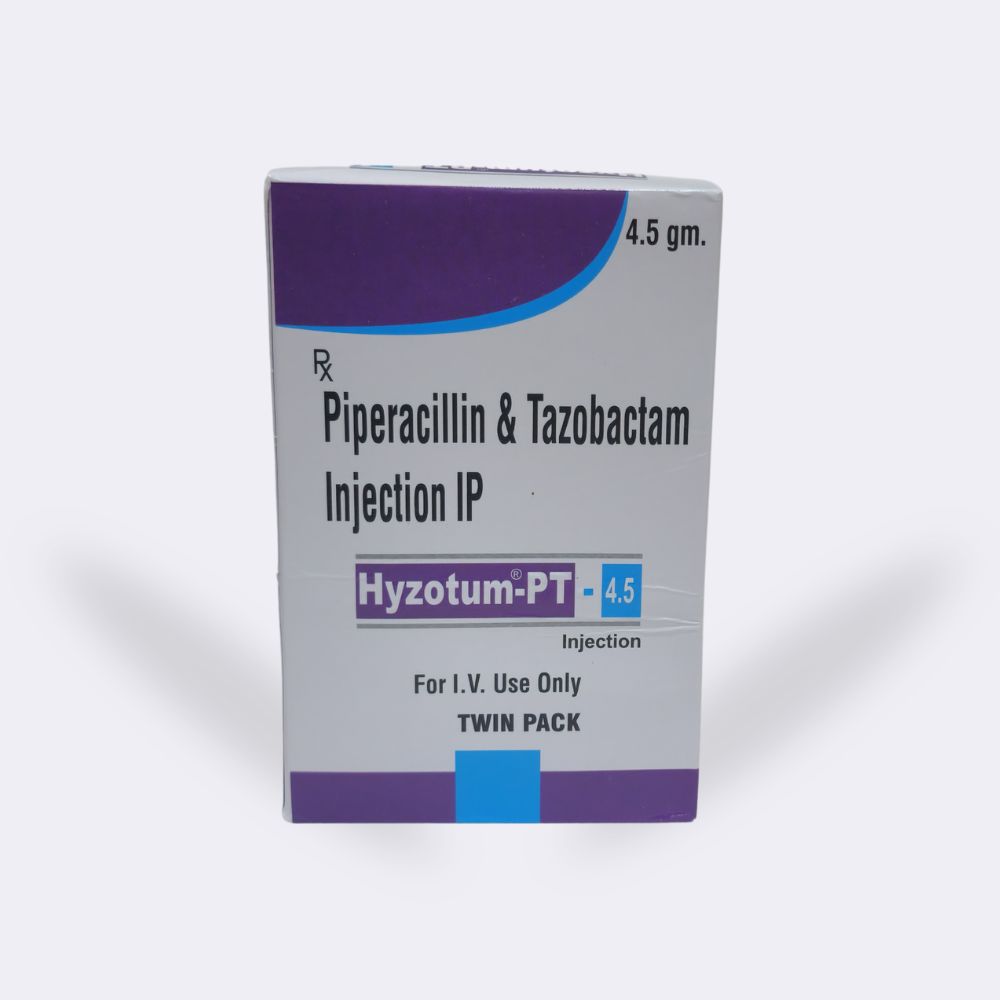


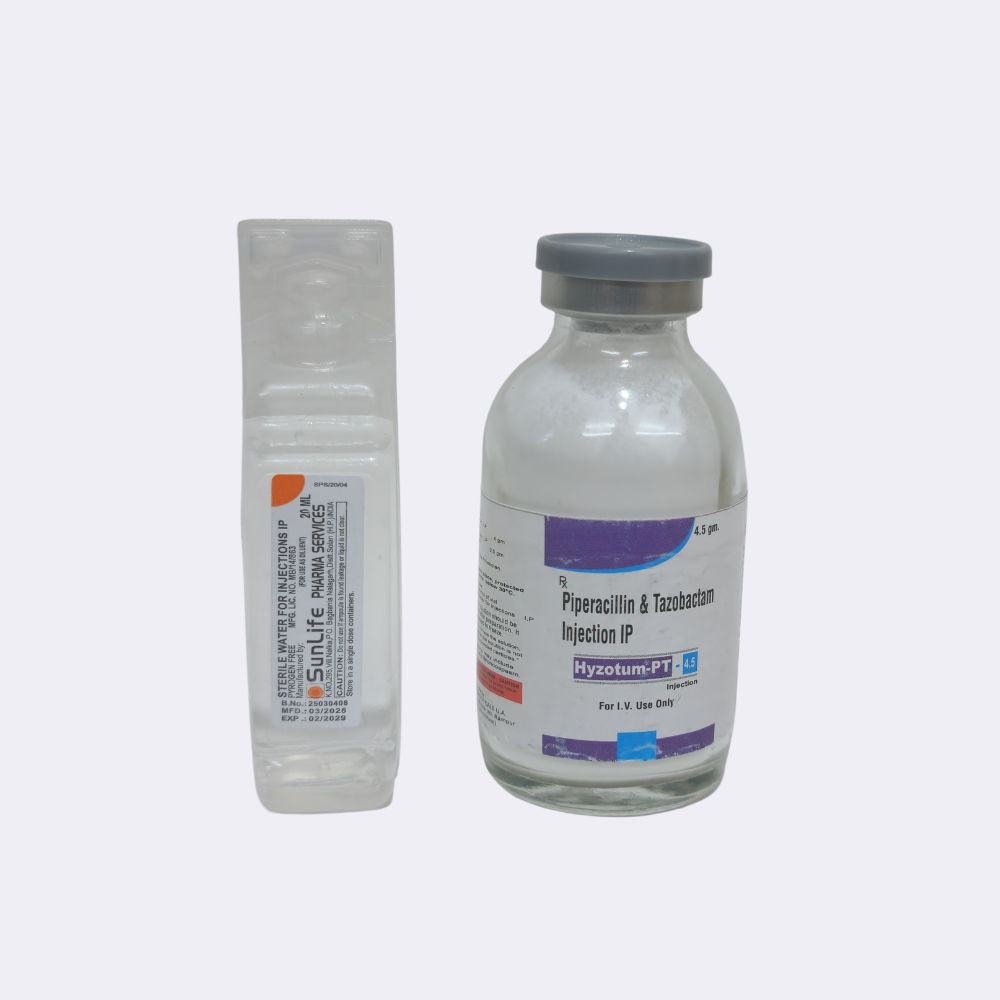


HYZOTUM-PT 4.5 GM INJECTION
₹399.00
Marketer: SHM EAST HEALTHCARE REMEDIES PVT LTD
Storage: Store in a cool and dry place away from sunlight. • Keep out of sight and reach of children. • Non cold chain – To be stored in cool places at 10ºC to 25ºC or below 30ºC.
 HYZOTUM-PT 4.5 GM INJECTION
 ₹399.00
Need Help?
Worldwide Delivery
Ship to over 200 regions and countries.
Secure Payment
Pay with the world most payment methods.
100% Money Back
30 days return policy & guarantee also.
Discount Available
Protect covers payment purchase Gifts.
Need Help?
(+123) 666 202 888
Products Information:
Hyzotum-PT 4.5 gm Injection belongs to the ‘Antibiotics’ class of drugs, primarily used to treat bacterial infections. It is used to treat various hospital-acquired and ventilator-associated pneumonia, urinary tract infections, intra-abdominal infections, skin and soft tissue infections (like diabetic foot infections) and uterine infections. Bacterial infection occurs when harmful bacteria grow in the body and causes illness. It can infect any part of the body and multiply very quickly.
Hyzotum-PT 4.5 gm Injection contains two medicines, namely: Piperacillin (Penicillin antibiotic) and Tazobactam (beta-lactamase inhibitor). Piperacillin belongs to the class of ‘Penicillin antibiotics.’ It has bactericidal (ability to kill bacteria) activity against gram-positive and gram-negative aerobic (requires oxygen to survive) and anaerobic (survives with little or no oxygen) bacteria. Piperacillin acts by binding to the penicillin-binding proteins (PBPs) inside the bacterial cell wall and inhibits its cell wall synthesis. Tazobactam is a beta-lactamase inhibitor. Beta-lactamases are the enzymes produced by bacteria to gain multi-resistance to β-lactam antibiotics, such as penicillins and cephalosporins. Tazobactam prevents the breakdown of other antibiotics by beta-lactamase enzyme-producing organisms. In Hyzotum-PT 4.5 gm Injection, Tazobactam works by preventing bacteria from destroying Piperacillin.
Hyzotum-PT 4.5 gm Injection will be administered by a healthcare professional. Like all medicines, Hyzotum-PT 4.5 gm Injection also causes side effects, although not everybody gets them. Common side effects of Hyzotum-PT 4.5 gm Injection include nausea, constipation, diarrhoea, headache, and trouble sleeping. If any of these effects persist or worsen, seek medical advice promptly.
Brief your medical history to the doctor if you have any allergic reactions to antibiotics. Please inform your doctor if you have any liver, kidney diseases, bleeding disorders, and fits before using Hyzotum-PT 4.5 gm Injection. Do not use Hyzotum-PT 4.5 gm Injection while having vaccinations with live bacterial vaccines (typhoid vaccine) since Hyzotum-PT 4.5 gm Injection may affect vaccines’ activity. Hyzotum-PT 4.5 gm Injection should be used during pregnancy only if the doctor advises you. It is also excreted into breast milk in small amounts. Hence, it is recommended to consult your doctor if you are pregnant or breastfeeding before taking Hyzotum-PT 4.5 gm Injection.
USES OF HYZOTUM-PT 4.5 GM INJECTION:
Hyzotum-PT 4.5 gm Injection is used to treat bacterial infections. The detailed uses of Hyzotum-PT 4.5 gm Injection are as follows:
- Treatment of Intra-Abdominal Infections: Hyzotum-PT 4.5 gm Injection treats serious intra-abdominal infections by targeting the bacteria that cause them.
Respiratory Tract Infections : Hyzotum-PT 4.5 gm Injection is used to treat severe respiratory infections, including pneumonia. - Skin and Soft Tissue Infections: Hyzotum-PT 4.5 gm Injection treats complicated skin and soft tissue infections, including those from surgical wounds, bites, or diabetic foot infections.
- Urinary tract infections: Hyzotum-PT 4.5 gm Injection is also effective in treating urinary tract infections, helping to eliminate the bacteria that cause these infections.
- Gynaecological Infections: Hyzotum-PT 4.5 gm Injection is used to treat severe infections in women, including pelvic inflammatory disease and endometritis, by targeting a broad range of bacteria.
SIDE EFFECTS OF HYZOTUM-PT 4.5 GM INJECTION
- Nausea
- Constipation
- Diarrhoea
- Headache
- Trouble sleeping
DIRECTIONS FOR USE:
- The first dose of Hyzotum-PT 4.5 gm Injection will be administered by the healthcare professional.
- The doctor may teach you how to properly use the medication by yourself.
- Check the label for directions and use Hyzotum-PT 4.5 gm Injection as advised by the doctor.
- Do not use Hyzotum-PT 4.5 gm Injection if it looks cloudy, has changed colour, or has particles in it.
MEDICINAL BENEFITS
Hyzotum-PT 4.5 gm Injection contains two medicines, namely: Piperacillin and Tazobactam. Piperacillin is a Penicillin antibiotic. It acts by binding to the penicillin-binding proteins (PBPs) inside the bacterial cell wall and inhibits its cell wall synthesis. Tazobactam is a beta-lactamase inhibitor that prevents the breakdown of other antibiotics by beta-lactamase enzyme-producing organisms. In Hyzotum-PT 4.5 gm Injection, Tazobactam works by preventing bacteria from destroying Piperacillin. Thus, Hyzotum-pt 4.5 gm Injection helps treat various bacterial infections of the stomach, lungs, skin and uterus.
HOW HYZOTUM-PT 4.5 GM INJECTION WORKS
Hyzotum-pt 4.5 gm Injection contains two medicines, namely: Piperacillin (Penicillin antibiotic) and Tazobactam (beta-lactamase inhibitor). Piperacillin belongs to the class of ‘Penicillin antibiotics.’ It has bactericidal (ability to kill bacteria) activity against gram-positive and gram-negative aerobic (requires oxygen to survive) and anaerobic (survives with little or no oxygen) bacteria. Piperacillin acts by binding to the penicillin-binding proteins (PBPs) inside the bacterial cell wall and inhibits its cell wall synthesis. Tazobactam is a beta-lactamase inhibitor. Beta-lactamases are the enzymes produced by bacteria to gain multi-resistance to β-lactam antibiotics, such as penicillins and cephalosporins. Tazobactam prevents the breakdown of other antibiotics by beta-lactamase enzyme-producing organisms. In Hyzotum-PT 4.5 gm Injection, Tazobactam works by preventing bacteria from destroying Piperacillin.
DRUG WARNINGS
If you have a history of any cystic fibrosis (damaged lungs and digestive system), kidney disease, fits, colitis (inflammation of the colon), bleeding disorders, or heart or liver diseases, please inform your doctor before starting Hyzotum-PT 4.5 gm Injection. Please seek medical advice if you are pregnant or breastfeeding before taking Hyzotum-PT 4.5 gm Injection. Patients aged above 65 years are not at an increased risk of having side effects. However, the dosage should be adjusted if the patient has a history of renal impairment. Safety and efficacy of Hyzotum-PT 4.5 gm Injection in children less than two months of age have not been established. Drug-Food Interactions
No Drug – Food interactions found in our database. Some may be unknown. Consult your doctor for what to avoid during medication.
DIET & LIFESTYLE ADVISE
Include more fibre-enriched food in your diet, as it can be easily digested by your gut bacteria, which helps stimulate their growth. Thus, fibre foods may help restore healthy gut bacteria after a course of antibiotics. Whole grains like whole-grain bread, and brown rice should be included in your diet.
SIDE EFFECTS:
- Loose And Watery Stools: Here are the precise steps to cope with diarrhea caused by medication usage:
- Inform Your Doctor: Notify your doctor immediately about your diarrhoea symptoms. This allows them to adjust your medication or provide guidance on managing side effects.
- Stay Hydrated: Drink plenty of fluids to replace lost water and electrolytes. Choose water, clear broth, and electrolyte-rich drinks. Avoid carbonated or caffeinated beverages to effectively rehydrate your body.
- Follow a Bland Diet: Eat easy-to-digest foods to help firm up your stool and settle your stomach. Try incorporating bananas, rice, applesauce, toast, plain crackers, and boiled vegetables into your diet.
- Avoid Trigger Foods: Steer clear of foods that can worsen diarrhoea, such as spicy, fatty, or greasy foods, high-fibre foods, and dairy products (especially if you’re lactose intolerant).
- Practice Good Hygiene : Maintain good hygiene to prevent the spread of infection. To stay healthy, wash your hands frequently, clean and disinfect surfaces regularly, and avoid exchanging personal belongings with others.
- Take Anti-Diarrheal Medications: If your doctor advises, anti-diarrheal medications such as loperamide might help manage diarrhoea symptoms. Always follow your doctor’s directions.
Keep track of your diarrhoea symptoms. If they don’t get better or worse or are accompanied by severe stomach pain, blood, or dehydration signs (like extreme thirst or dark urine), seek medical help.
- Constipation: Here are the steps to cope with constipation as a side effect of medication:
- Inform your doctor about your constipation symptoms. They may adjust your medication or advise alternative treatments.
- Stay hydrated by drinking sufficient of water (at least 8-10 glasses a day) to help soften stool and promote bowel movements.
- Increase fibre intake by eating foods high in fibre, such as fruits, whole grains, vegetables and legumes, to help bulk up the stool.
- Establish a bowel routine by trying to go to the bathroom at the same time each day to train your bowels.
- Engaging in regular exercise, like walking or yoga, can support in bowel movement stimulation.
Consult your doctor if constipation persists, and discuss alternative treatments or adjustments to your medication.
- Nausea: Overcome Medication-Induced Nausea: A 9-Step Plan
- Inform your doctor about the nausea and discuss possible alternatives to the medication or adjustments to the dosage.
- Divide your daily food intake into smaller, more frequent meals to reduce nausea.
- Opt for bland, easily digestible foods like crackers, toast, plain rice, bananas, and applesauce.
- Avoid certain foods that can trigger nausea, such as fatty, greasy, spicy, and smelly foods.
- Drink plenty of fluids, such as water, clear broth, or electrolyte-rich beverages like coconut water or sports drinks.
- Use ginger (tea, ale, or candies) to help relieve nausea.
- Get adequate rest and also avoid strenuous activities that can worsen nausea.
- Talk to your doctor about taking anti-nausea medication if your nausea is severe.
- Record when your nausea occurs, what triggers it, and what provides relief to help you identify patterns and manage your symptoms more effectively.
- Vomiting: To prevent, manage, and treat Constipation caused by medication usage, follow these steps:
Preventing Vomiting (Before it Happens)- Take medication exactly as prescribed by your doctor. This can help minimize side effects, including vomiting.
- Having a small meal before taking your medication can help reduce nausea and vomiting.
- Talk to your doctor about taking anti-nausea medication along with your prescribed medication.
Managing Vomiting (If it Happens)
- Try taking ginger in the form of tea, ale, or candy to help alleviate nausea and vomiting.
What to Do if Vomiting Persists
Consult your doctor if vomiting continues or worsens, consult the doctor for guidance on adjusting your medication or additional treatment. - Indigestion: Here are the step-by-step strategies to manage the side effects of “indigestion” caused by medication usage:
- Take medications with food (if recommended): It can help prevent stomach distress and indigestion.
- Eat smaller, more frequent meals: Divide daily food intake into smaller, more frequent meals to ease digestion.
- Avoid trigger foods: Identify and avoid foods that trigger indigestion, such as spicy, fatty, or acidic foods.
- Stay upright after eating: Sit or stand upright for at least 1-2 hours after eating to prevent stomach acid from flowing into the oesophagus.
- Avoid carbonated drinks: Avoid drinking carbonated beverages, such as soda or beer, which can worsen indigestion.
- Manage stress: To alleviate indigestion, engage in stress-reducing activities like deep breathing exercises or meditation.
- Consult a doctor if needed: If indigestion worsens or persists, consult a healthcare professional to adjust the medication regimen or explore alternative treatments.
- Stomach Pain:
- Drink water or other clear fluids.
- To prevent worsening of pain, limit intake of tea, coffee, or alcohol.
- Include bland foods like rice, toast, crackers, and rice in your diet.
- Avoid lying down immediately after eating as it may cause indigestion or heartburn.
- Avoid acidic and spicy food as it may cause indigestion.
- Loose Stools: Here are the precise steps to cope with diarrhoea caused by medication usage:
- Inform Your Doctor: Notify your doctor immediately about your diarrhoea symptoms. This allows them to adjust your medication or provide guidance on managing side effects.
- Stay Hydrated: Drink plenty of fluids to replace lost water and electrolytes. Choose water, clear broth, and electrolyte-rich drinks.
- Avoid carbonated or caffeinated beverages to effectively rehydrate your body.
- Follow a Bland Diet: Eat easy-to-digest foods to help firm up your stool and settle your stomach. Try incorporating bananas, rice, applesauce, toast, plain crackers, and boiled vegetables into your diet.
- Avoid Trigger Foods: Steer clear of foods that can worsen diarrhoea, such as spicy, fatty, or greasy foods, high-fibre foods, and dairy products (especially if you’re lactose intolerant).
- Practice Good Hygiene: Maintain good hygiene to prevent the spread of infection. To stay healthy, wash your hands frequently, clean and disinfect surfaces regularly, and avoid exchanging personal belongings with others.
- Take Anti-Diarrheal Medications: If your doctor advises, anti-diarrheal medications such as loperamide might help manage diarrhoea symptoms. Always follow your doctor’s directions.
- Keep track of your diarrhoea symptoms. If they don’t get better or worse or are accompanied by severe stomach pain, blood, or dehydration signs (like extreme thirst or dark urine), seek medical help.
FREQUENT ASKED QUESTIONS:
The overdose of Hyzotum-PT 4.5 gm Injection is unlikely as it is administered by a doctor. However, in case of overdose, it may cause vomiting, nausea and diarrhoea. If you suspect you have taken overdose or notice signs of overdose, please consult a doctor
It is not advisable to take this medicine during pregnancy as it passes the placental barrier.
No, this medicine is used for treating severe infections caused by bacteria and not viral infections. This medicine should only be taken when prescribed by the doctor.
Hyzotum-pt 4.5 gm Injection is used to treat bacterial infections. It is used to treat various hospital-acquired and ventilator-associated pneumonia, urinary tract infections, intra-abdominal infections, skin and soft tissue infectio…
No, as this medicine contains an ample amount of sodium, it is advisable to be very cautious and discuss your dietary restrictions with your doctor before taking this medicine.
Hyzotum-PT 4.5 gm injection is not recommended for individuals suffering from liver and kidney disease, those who are allergic to active ingredients like antibiotics like Cephalosporins, Monobactam and Carbapenem.
You may experience nausea, vomiting, indigestion, headache and pain, redness, swelling at the site of injection.
The composition of Hyzotum-PT 4.5 injection includes- piperacillin and tazobactam as the active ingredients that belong to an antibiotic class of medicines.
No, you must complete the course of treatment as prescribed by the doctor. Abruptly stopping the treatment with antibiotics in midway may lead to recurring infections.
No, you should not take any medicine or self-inject any medication to treat or prevent COVID-19 without consulting a doctor. If you have been tested positive with COVID-19 immediately inform your doctor. Moreover, this injection will be given in a hospital by your doctor or nurse as an injection. Do not self-inject this medicine.
Hyzotum-PT 4.5 injection is indicated for the treatment of serious and complicated infections caused by bacteria such as stomach and abdominal infection, skin and soft tissue infections, diabetic foot infections due to diabetes and pneumonia. It is to be used only when an infection cannot be controlled by other antibiotics.
Hyzotum-pt 4.5 gm Injection is used to treat bacterial infections. It is used to treat various hospital-acquired and ventilator-associated pneumonia, urinary tract infections, intra-abdominal infections, skin and soft tissue infections (like diabetic foot infections) and uterine infections.
Hyzotum-PT 4.5 gm Injection contains Piperacillin and Tazobactam. Piperacillin inhibits bacterial cell wall synthesis, and Tazobactam prevents the bacteria from gaining resistance against Piperacillin. Thus Hyzotum-PT 4.5 gm Injection helps in treating various bacterial infections.
Hyzotum-PT 4.5 gm Injection should be used with proper caution and doctor consultation if you have any cystic fibrosis (damaged lungs and digestive system), kidney disease, fits, colitis (inflammation of the colon), bleeding disorders, heart or liver diseases and undergoing dialysis.
Hyzotum-PT 4.5 gm Injection can affect live vaccines like typhoid vaccine and decrease their effectiveness. Please consult a doctor before you start Hyzotum-PT- 4.5 gm Injection if you are undergoing any vaccinations.
It is recommended to complete the course of Hyzotum-PT 4.5 gm Injection even if you feel better as it is an antibiotic, and stopping it midway may lead to recurring infections. Continue taking Hyzotum-PT 4.5 gm Injection for as long as your doctor has prescribed to treat your condition effectually.
Related products
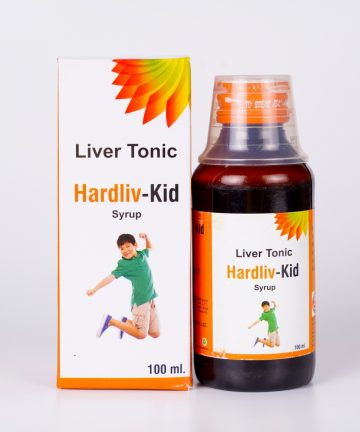
HARDLIV-KID SYRUP
₹130.00
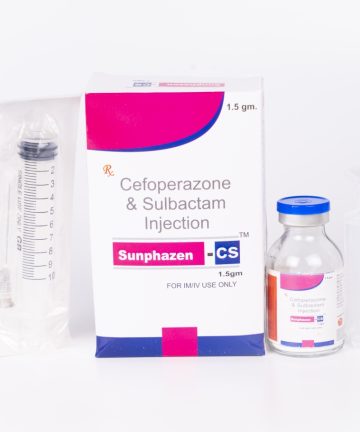
SUNPHAZEN-CS 1.5 INJECTION
₹239.00
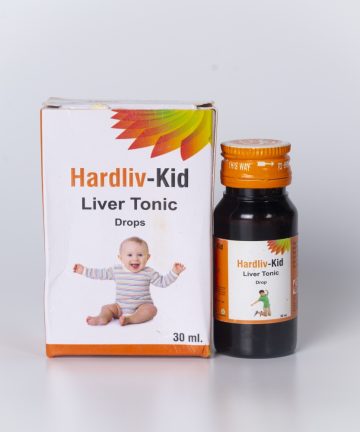
HARDLIV-DROP
₹80.00
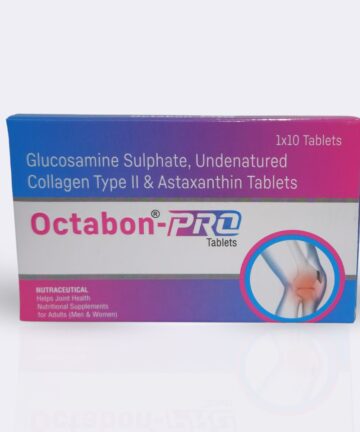
OCTABON PRO
₹775.00
